

STATEMENT ON THE OCCASION OF WORLD WATER DAY 2026
22 MARCH 2026
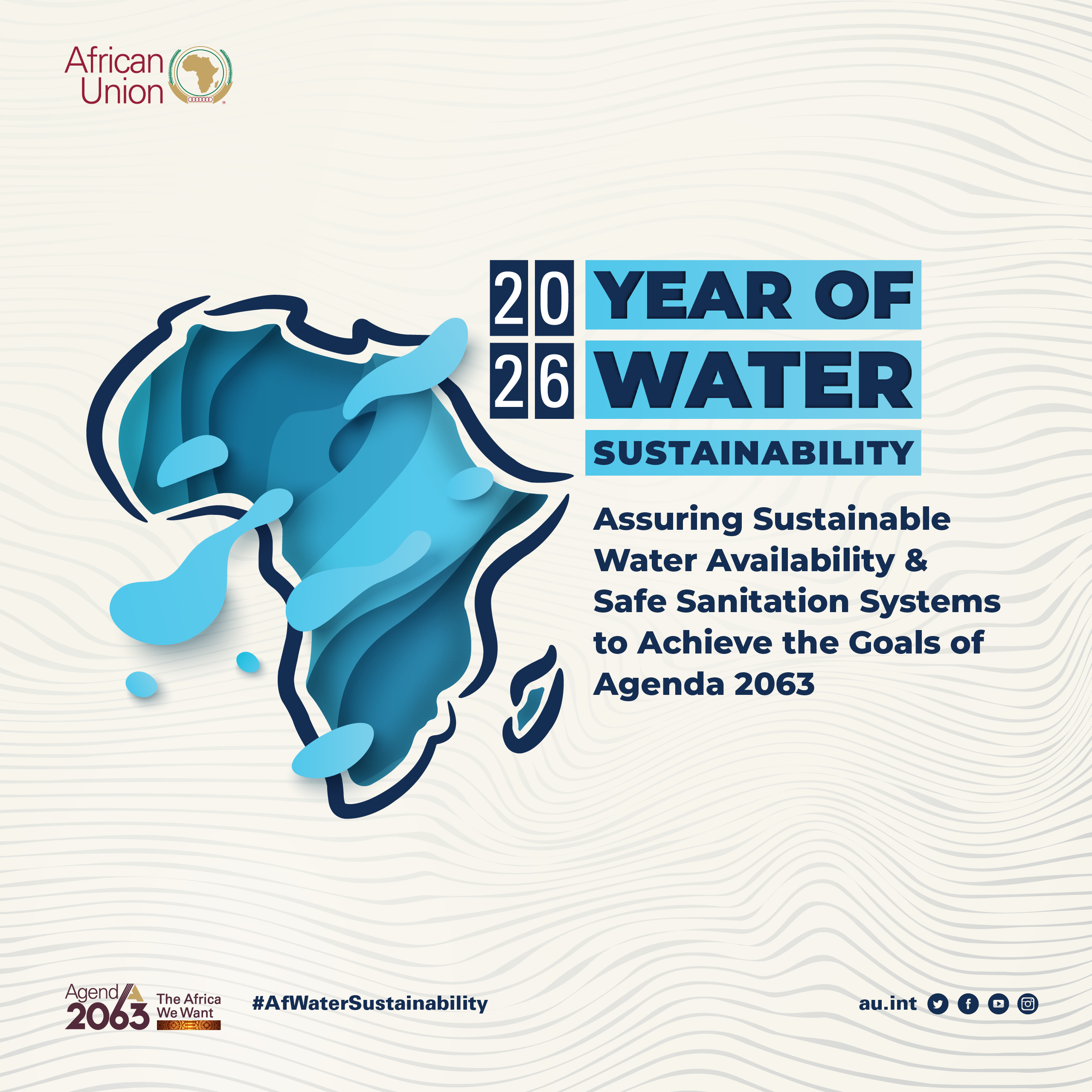
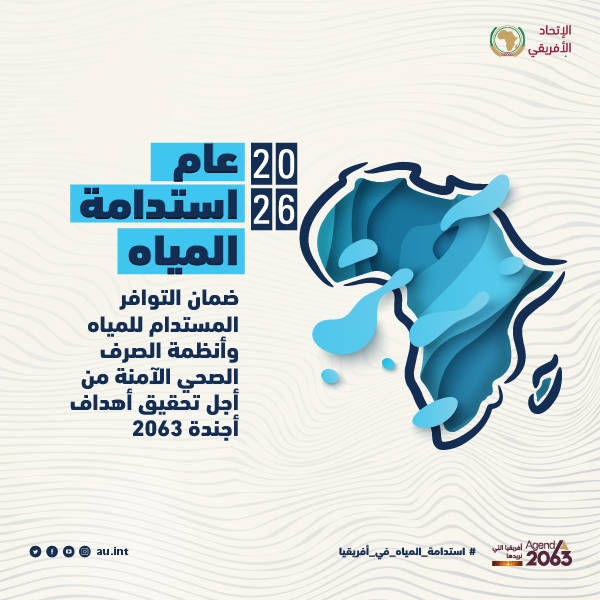
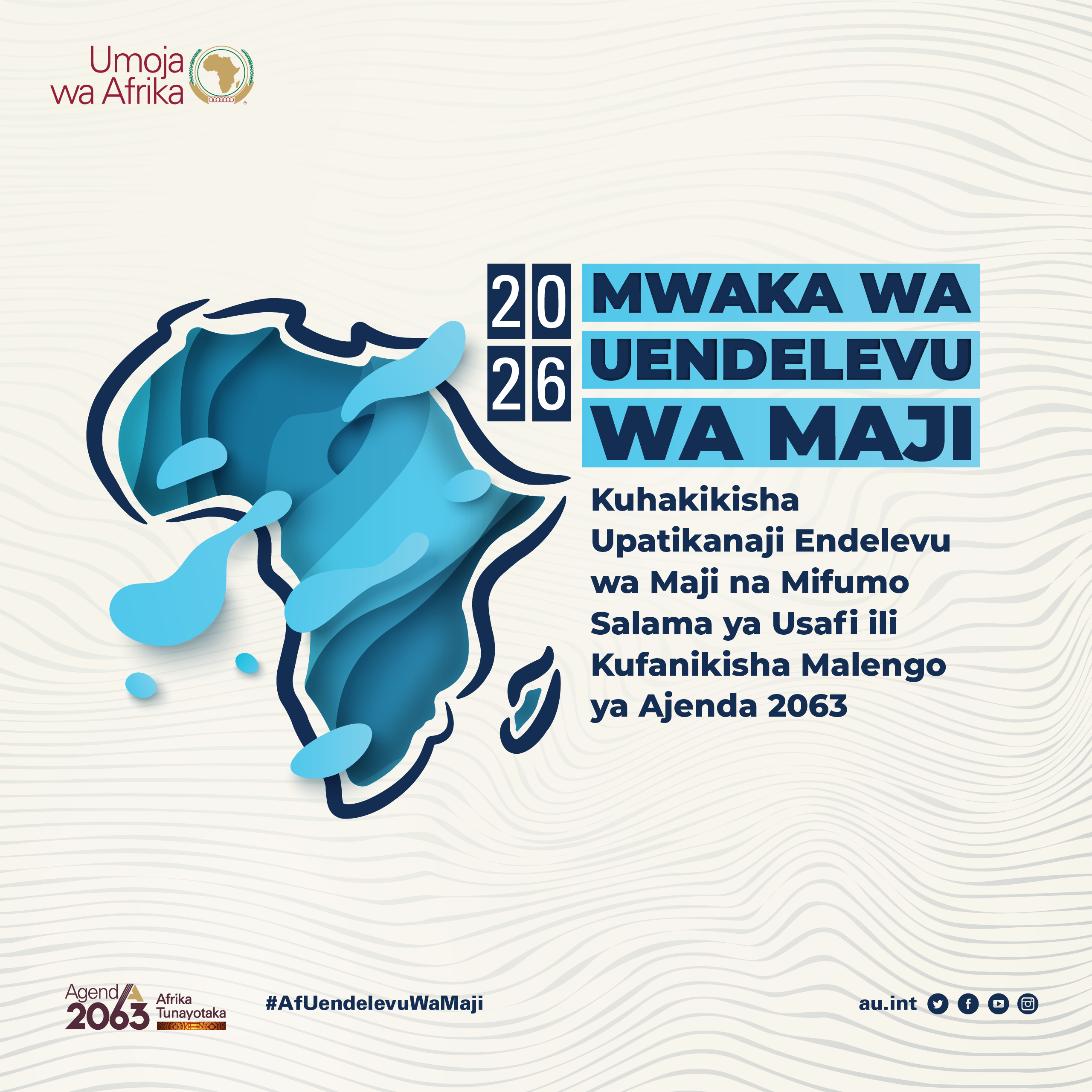
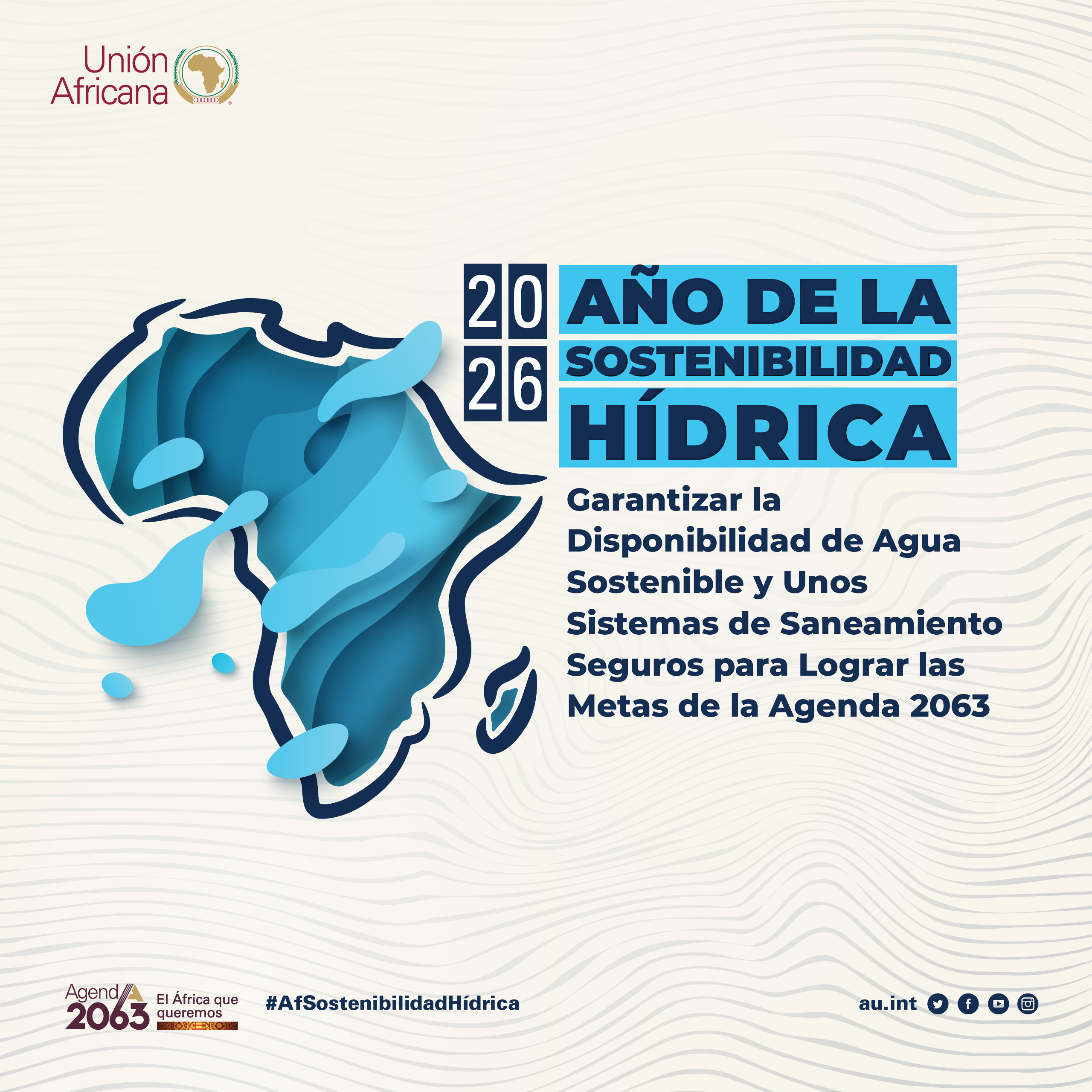
The African Commission on Human and Peoples’ Rights (the Commission) joins the African Union and the global community in commemorating World Water Day 2026, under the AU Theme of the Year: “Ensuring the sustainability of water availability and safe sanitation systems to achieve the goals of Agenda 2063.” The selection of water and sanitation as the African Union Theme of the Year 2026 reflects the strategic importance of these issues to Africa’s development, climate resilience, and human rights agenda. While continental policy frameworks and political commitments exist, a gap persists between policy aspirations and the lived realities of many African communities. Challenges relating to governance, financing, and institutional capacity continue to limit universal access to safe water and sanitation services.
Access to safe drinking water and adequate sanitation remains a systemic challenge across Africa. This is not merely a development goal; it is a human rights necessity and a prerequisite for achieving Agenda 2063: The Africa We Want. To fulfil this vision, Member States must bridge the gap between treaty ratification and the effective provision of water and sanitation services to all.
Although the African Charter on Human and Peoples’ Rights (the African Charter) does not expressly mention the right to water, the Commission has consistently recognized that access to safe and adequate water is intrinsically linked to the rights to life (Article 4), dignity (Article 5), health (Article 16), development (Article 22), and a satisfactory environment (Article 24). In this regard, water is not only a development issue, but a human rights necessity, without which the enjoyment of many other rights is undermined.
The Commission further recalls the Protocol to the African Charter on Human and Peoples’ Rights on the Rights of Women in Africa (the Maputo Protocol), which further obliges States Parties, under Article 15, to ensure women’s right to sustainable access to safe drinking water and sanitation, particularly in rural areas. This reflects the gendered burden of water collection and the disproportionate impact of water and sanitation responsibilities on women and girls.
In addition, the Commission, through its Working Group on Economic, Social and Cultural Rights, developed the Principles and Guidelines on the Right to Water in Africa to assist States in implementing their obligations. These Guidelines provide practical guidance on the core elements of the right to water, including availability, accessibility, quality, affordability, non-discrimination, accountability, and sustainable management of water resources.
On this occasion of World Water Day, the Commission calls on all States in Africa to strengthen legal and policy frameworks, invest in resilient and inclusive water and sanitation systems, and take concrete steps to ensure that everyone enjoys safe and equitable access to water.
The Commission remains committed to supporting the realization of the right to access to adequate water and sanitation across Africa in accordance with the African Charter, the Maputo Protocol, and the Commission’s Guidelines on the Right to Water.
Honorable Commissioner Mudford Zachariah Mwandenga
Chairperson for the Working Group on Economic, Social and Cultural Rights in Africa
African Commission on Human and Peoples’ Rights